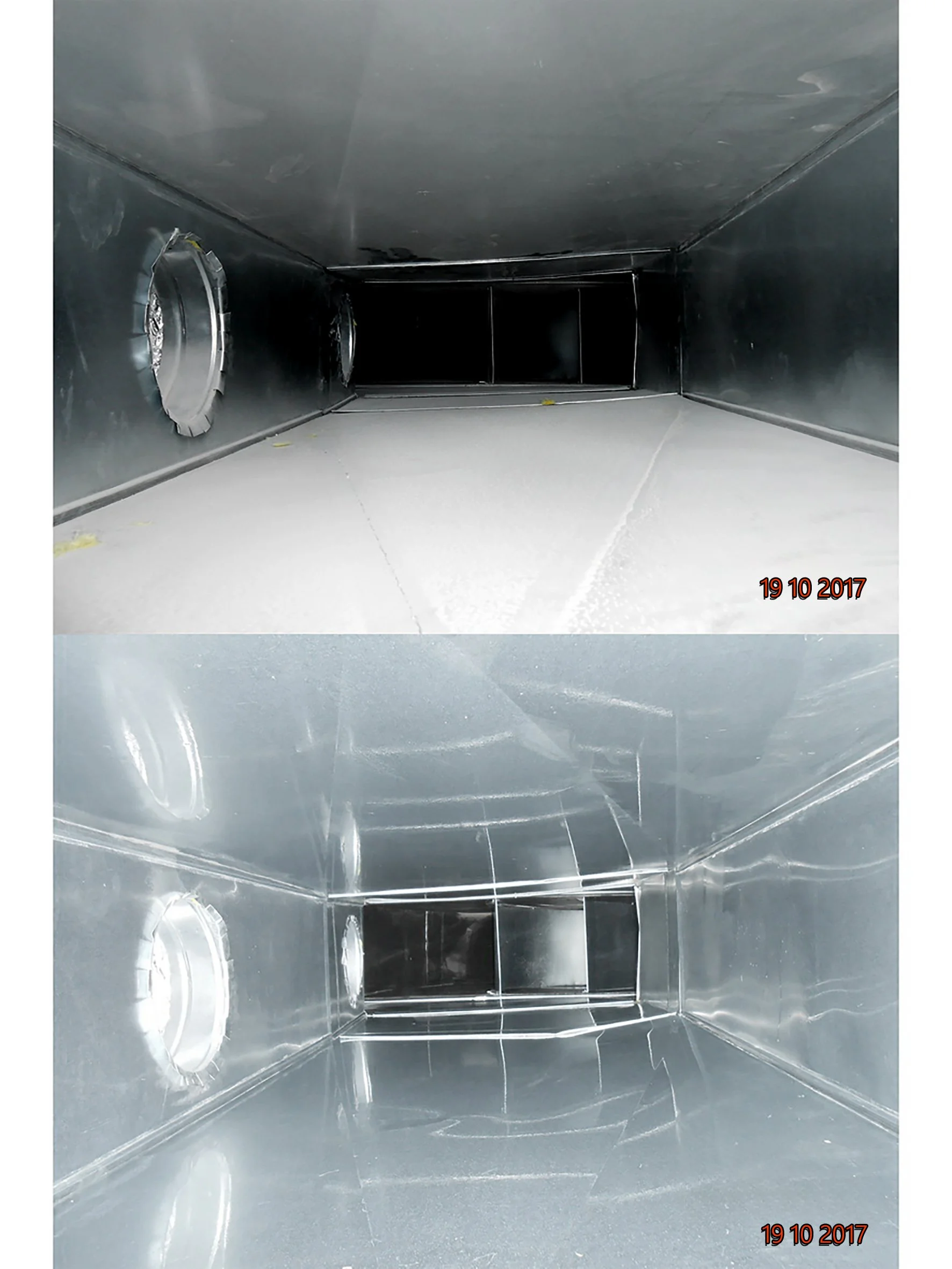
Breathe cleaner with NADCA-certified duct cleaning that eliminates hidden contaminants and restores peak airflow for a healthier environment.
Your duct system is the respiratory system of your building; when it’s clogged, your environment can’t "breathe," leading to stagnant and recycled air.
Respiratory Health & "Sick Building Syndrome"
In offices, hospitals and homes, the HVAC system acts as the building’s lungs. When ducts are neglected, they become a primary source of indoor air pollution.
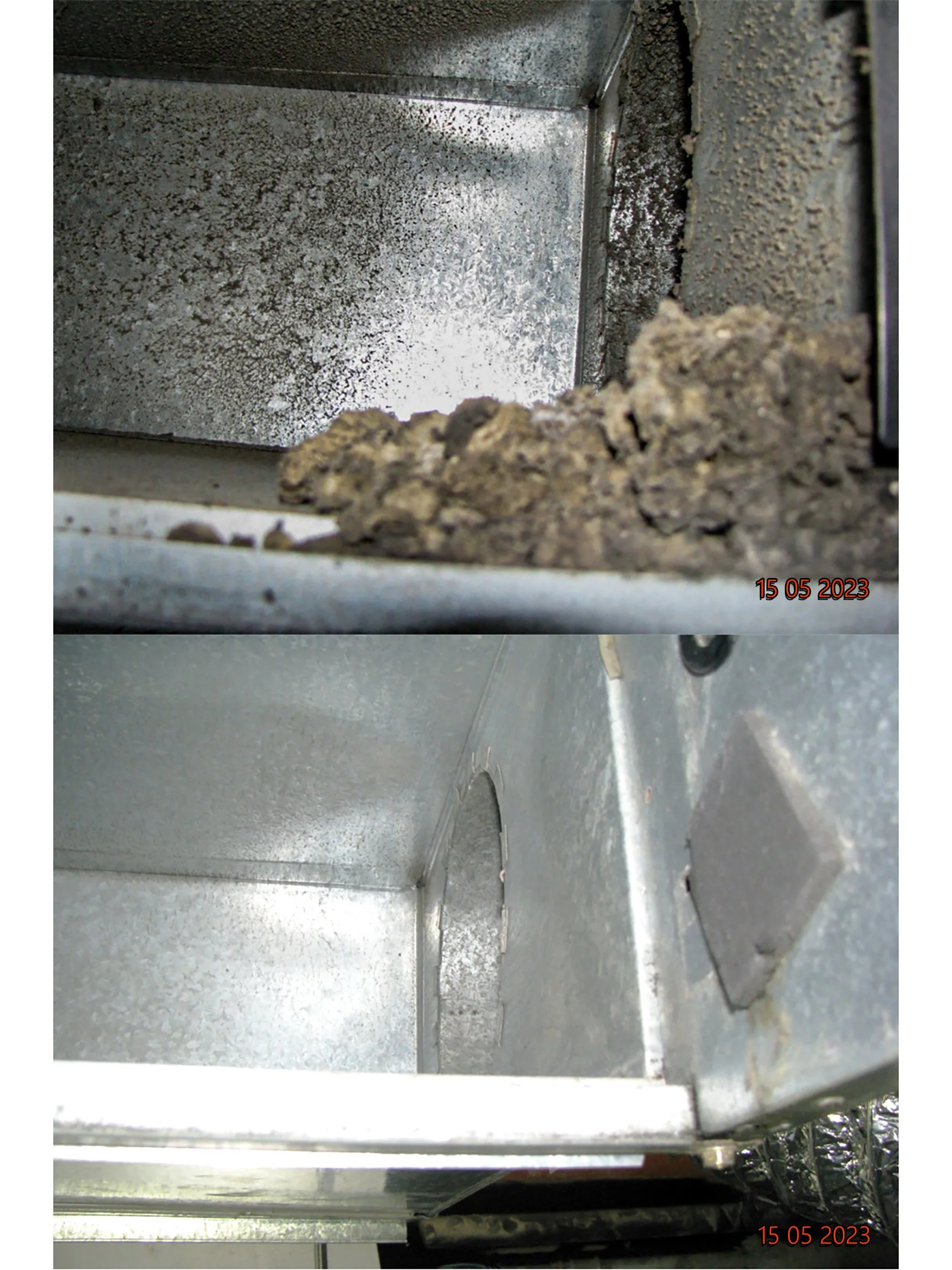
Allergen Recirculation: Over time, ducts collect dust mites, pollen, and pet dander. Every time the fan kicks on, these irritants are blasted into the living or working space, triggering asthma and chronic allergies.
The "Sick Building" Link: Studies by the EPA indicate that indoor air can be 2 to 5 times more polluted than outdoor air. Dirty HVAC systems are the leading cause of "Sick Building Syndrome," resulting in unexplained headaches, fatigue, and throat irritation among occupants.
Hospital-Grade Sterility & Infection Control
In healthcare settings, ventilation is not just about comfort, it is a medical necessity for patient survival.
Pathogen Mitigation: HVAC systems in hospitals must manage "Bio-Aerosols." If ducts are contaminated, they can spread airborne pathogens like Aspergillus or Legionella, posing a fatal risk to immunocompromised patients.
Pressure Balancing: Clean ducts are essential for maintaining the positive and negative pressure rooms required to contain infectious diseases. Any buildup in the ventilation line disrupts this delicate balance, risking cross-contamination between wards.
Energy Efficiency & Equipment Longevity
Whether in a skyscraper or a suburban home, a dirty system is a financial drain.
Mechanical Strain: Dust accumulation on internal coils and fans forces the motor to work harder to move the same amount of air. This leads to premature mechanical failure and expensive emergency repairs.
The 15% Savings: Research from the Department of Energy shows that cleaning dirty HVAC components can improve system efficiency by up to 15%, significantly lowering monthly utility bills.
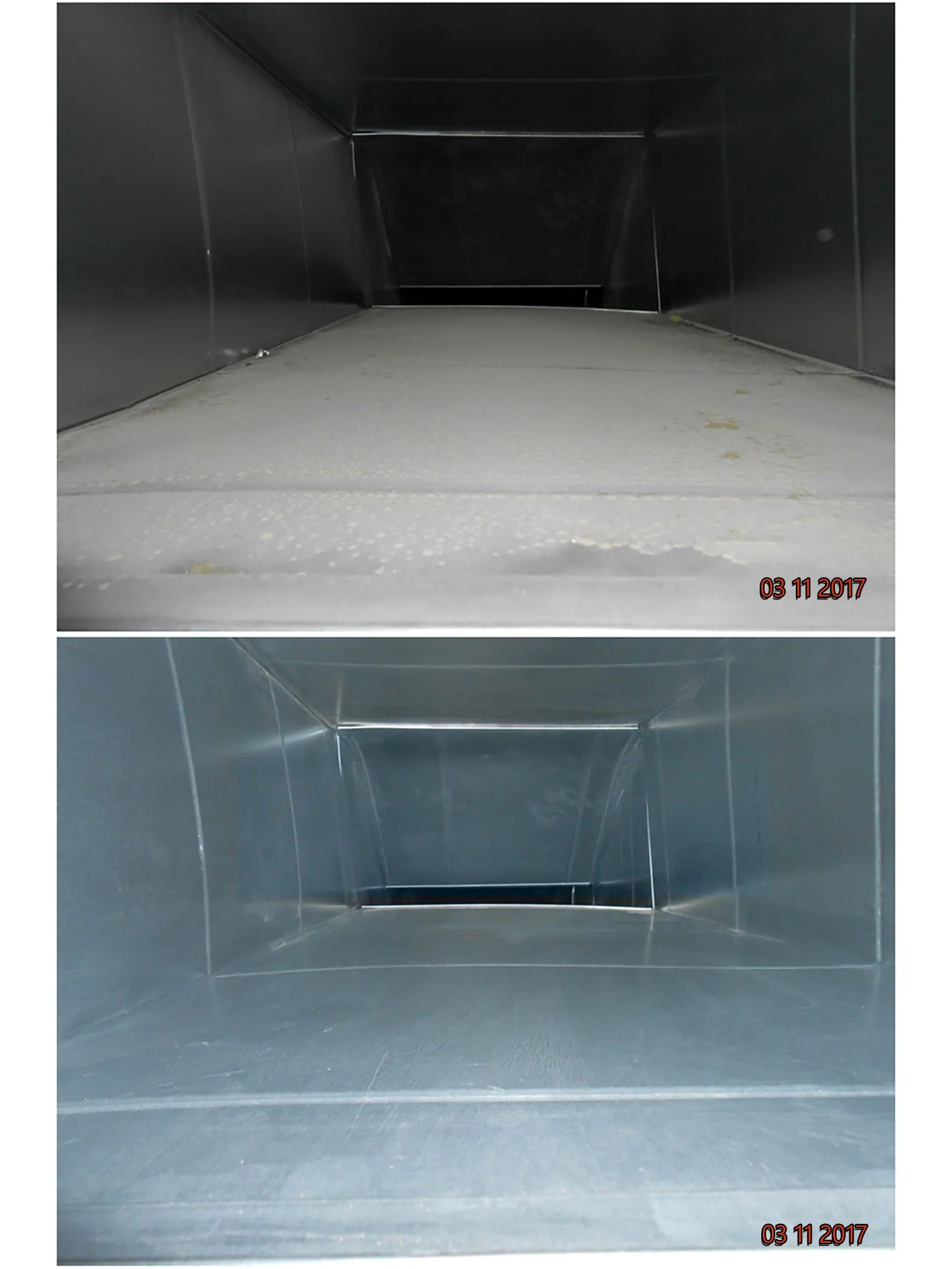
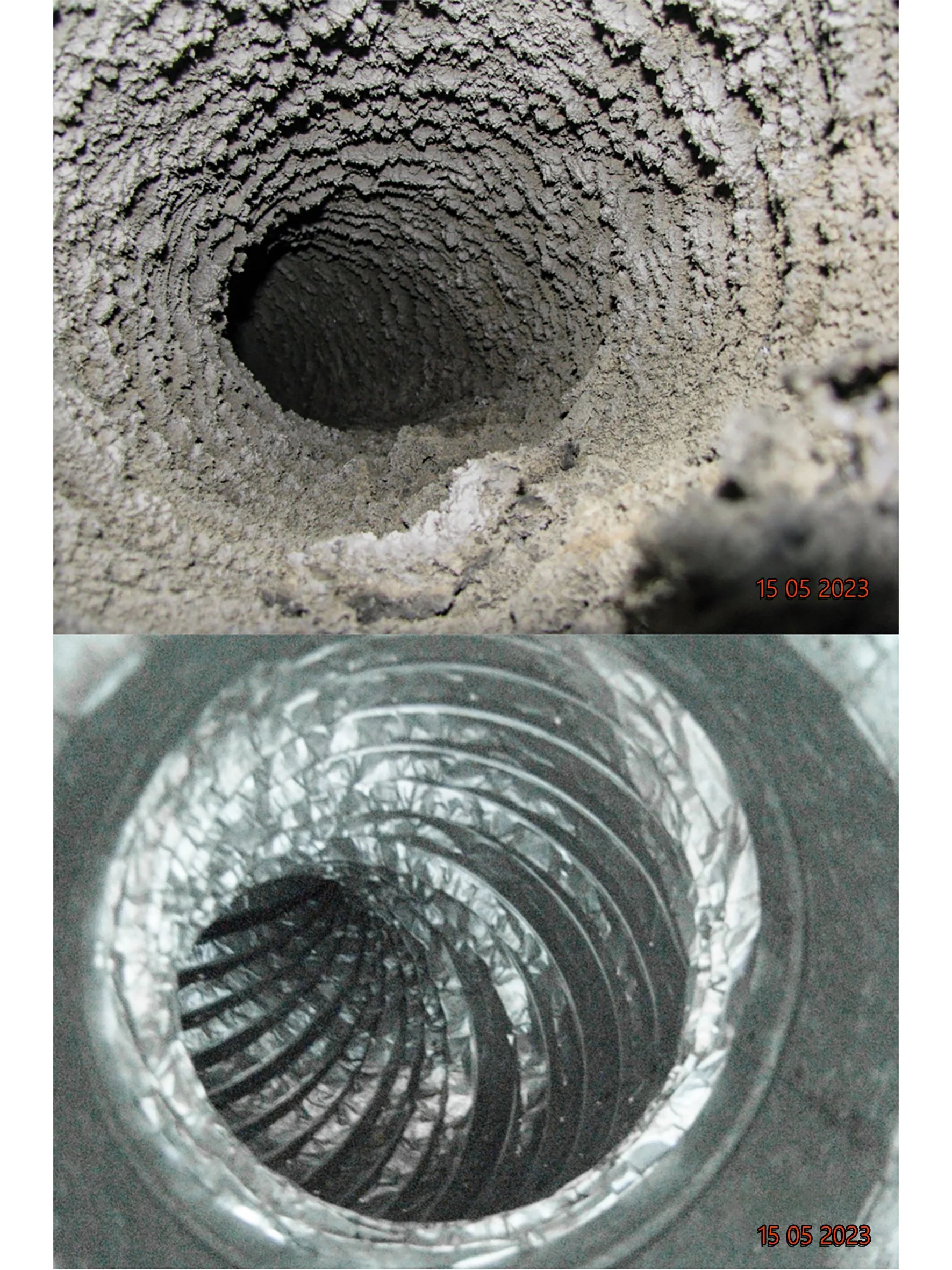
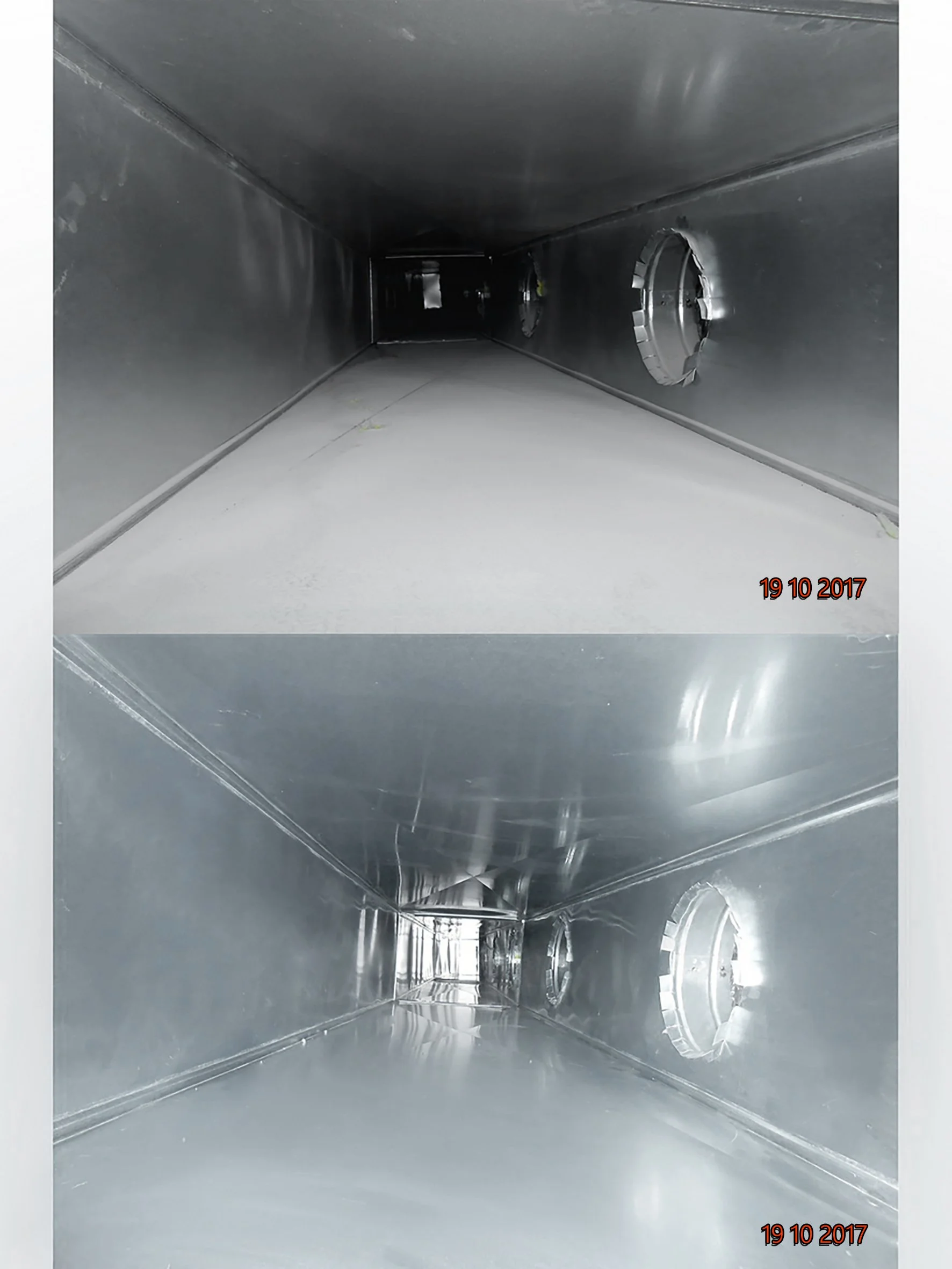
"Protect your business, your staff, and your reputation by ensuring your environment’s internal ventilation stays as clean and safe as the surfaces your customers see."
Did you know?
The Hospital Standard: Clinical studies show that High-Efficiency Particulate Air (HEPA) filtration in hospitals can reduce the presence of airborne bacteria by 99.97%, but only if the ductwork leading to those filters is kept pristine.
Dust Accumulation: The average six-room home collects up to 40 pounds of dust annually in its air ducts, which serves as a massive reservoir for bacteria and fungi.
Office Productivity: Research by Harvard University found that improving ventilation and air quality in offices led to an 8% increase in employee productivity, equivalent to a $6,500 annual gain per person.
Mold Growth: Because HVAC systems create condensation, dark and damp ducts are the #1 breeding ground for mold spores, which can spread through a whole building in less than 48 hours.